Air pollution remains one of the most severe yet insufficiently addressed public health and environmental challenges in Africa. Participating in the African School on Air Quality and Pollution Prevention 2025, organized by the Department of Meteorology and Climate Science at Kwame Nkrumah University of Science and Technology (KNUST) in partnership with the Clean Air Fund, provided a rare opportunity to engage deeply with this challenge through science, policy, and practice. Over ten intensive days, the School brought together participants from across the continent, creating a shared space for learning, exchange, and collective reflection on how Africa can better respond to air pollution.
Why initiatives like the African School on Air Quality are critical
From the opening sessions, it was clear that the School addresses a fundamental gap in Africa. While air pollution is responsible for millions of premature deaths globally, African countries often lack sustained training platforms, robust monitoring systems, and cross-sectoral coordination to tackle the problem effectively. The collaboration between KNUST and the Clean Air Fund stood out as a strong model, combining academic leadership with a long-term vision for impact.
As emphasized by Prof. Leonard K. Amekudzi (KNUST) during the introductory lectures, air pollution should not be viewed solely as an environmental issue. It directly affects human health, economic productivity, urban development, and climate resilience. From a participant’s perspective, the strength of the School lay in this integrated framing, which consistently connected atmospheric science to public health, policy decisions, and everyday lived realities.
Key lessons on sources of air pollution in Africa
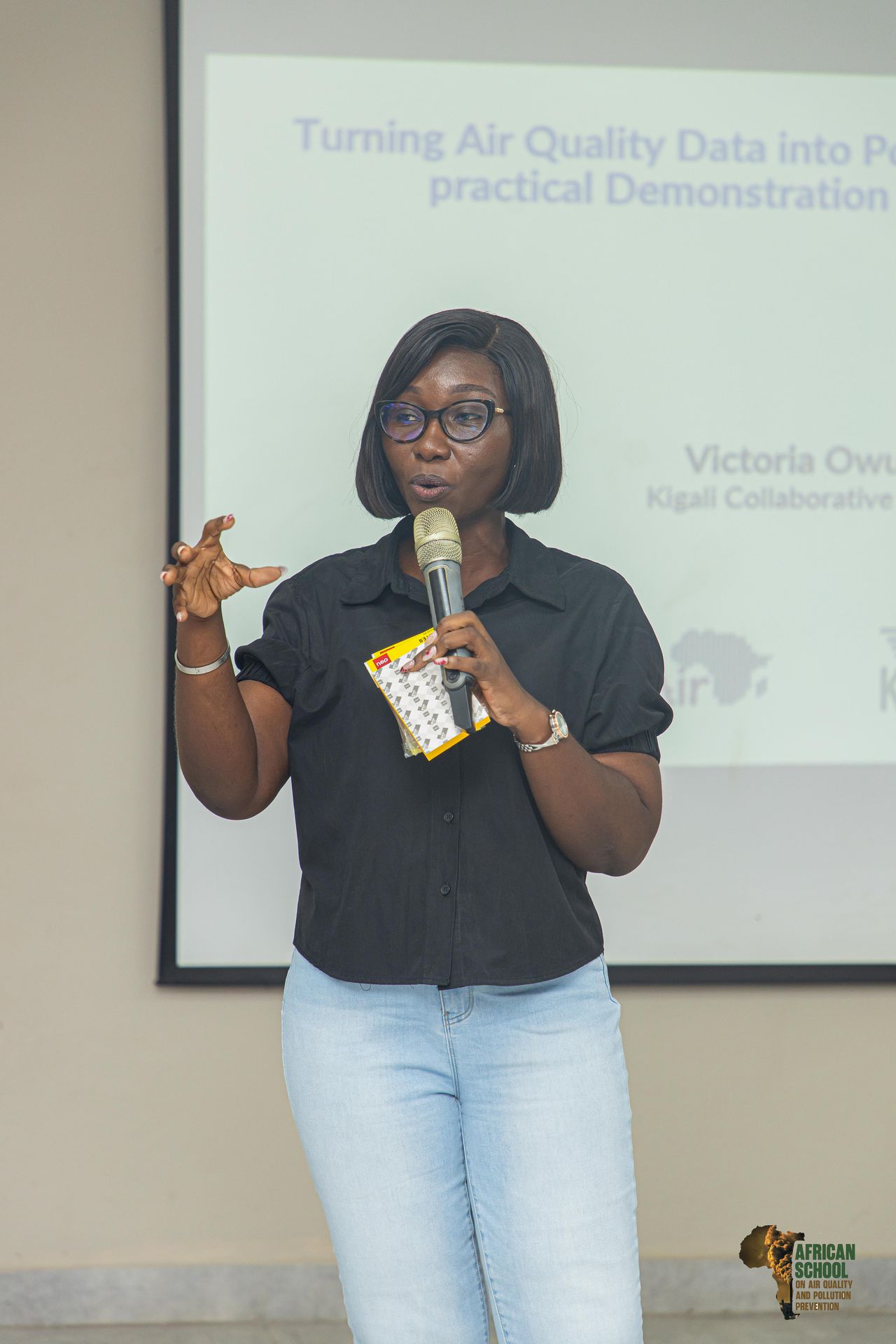
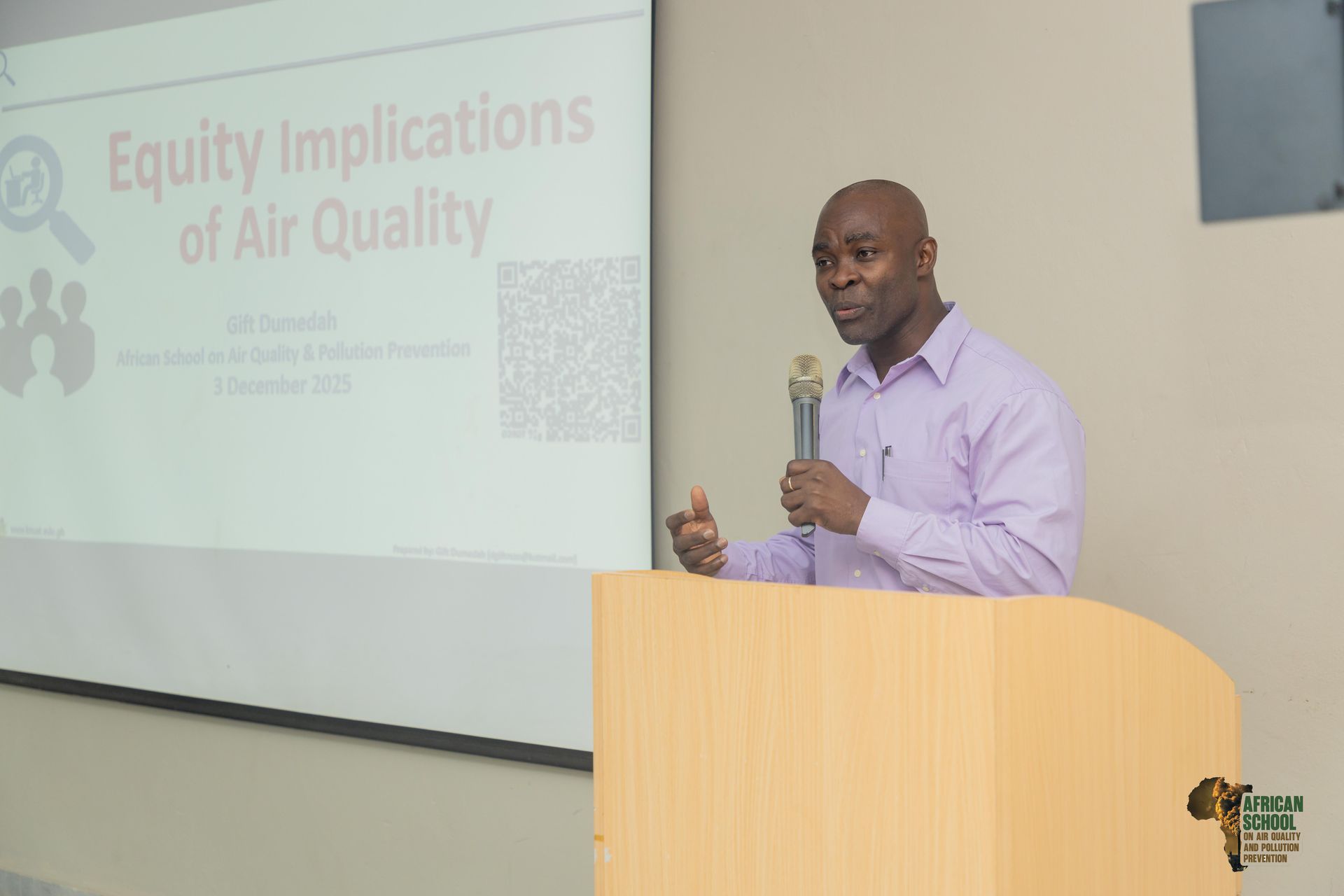
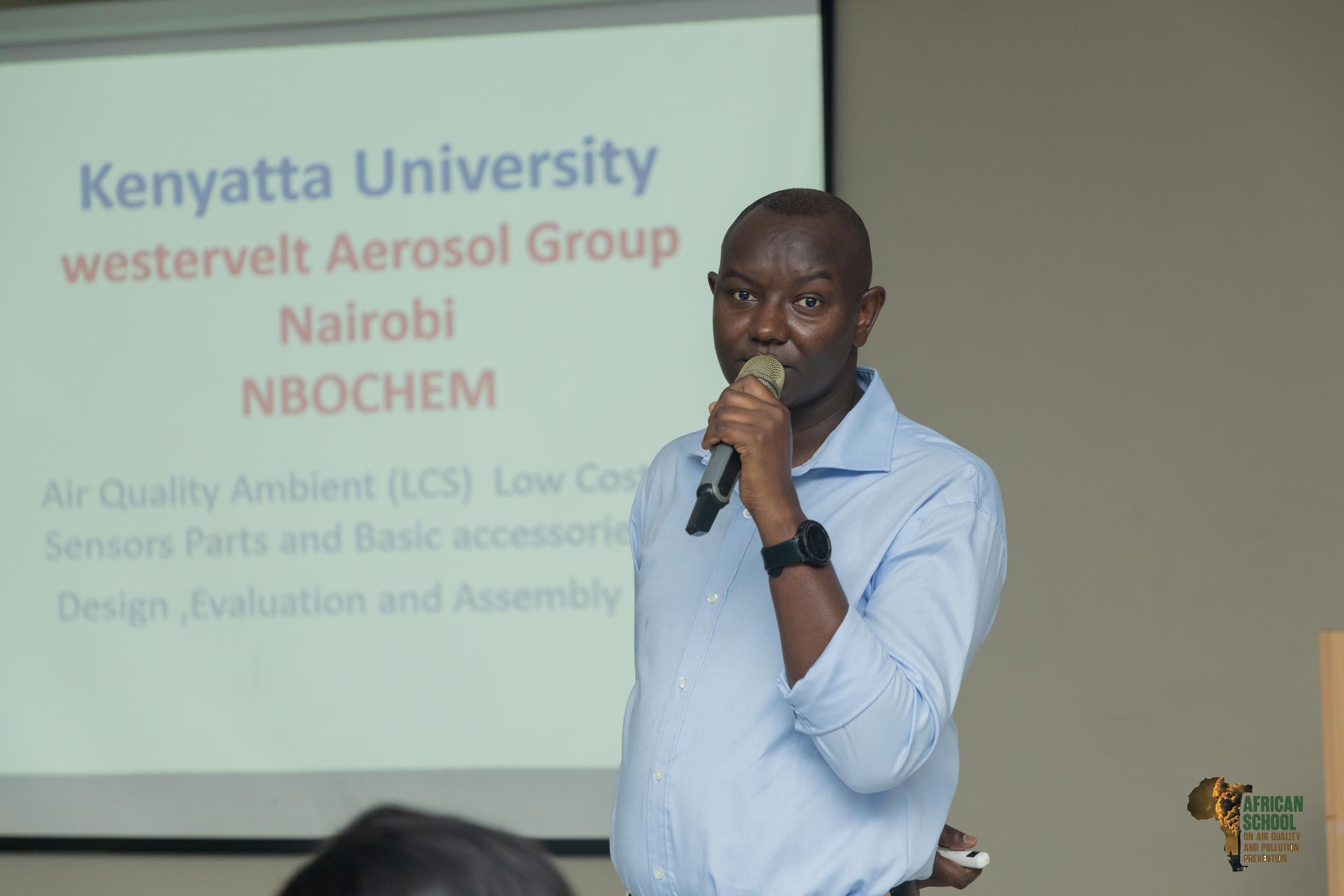
One of the strongest takeaways from the School was a clearer understanding of the diverse and interconnected sources of air pollution across African contexts. Prof. Amekudzi highlighted how emissions from transport, particularly aging and poorly maintained vehicles, household reliance on biomass fuels, industrial activity, waste burning, construction dust, and unpaved roads collectively shape air quality in many African cities. He also stressed that because people live within the atmospheric boundary layer, exposure to polluted air is continuous and unavoidable for large segments of the population.
These insights were complemented by Dr. Cosmos Senyo Wemegah (UENR), who explained how pollutants are identified and characterized, with particular emphasis on particulate matter. His discussion on why smaller particles such as PM₂.₅ pose disproportionate health risks helped clarify why air pollution can cause serious harm even when it is not visible.
Several presentations also highlighted indoor air pollution as a major but often underestimated risk. Research shared by Prof. Marian Asantewaah Nkansah showed that school kitchen workers are frequently exposed to pollutant concentrations far above recommended limits due to cooking fuels, poor ventilation, and stove design. Other examples discussed during the School included pollution from e-waste burning, fish smoking activities, mining operations, and occupational exposure in forest and industrial zones.
Importantly, Dr. Pallavi Pant (Health Effects Institute) reminded participants that so-called natural sources, such as dust storms during the Harmattan season, still carry serious health risks and often interact with human emissions. This reinforced the idea that air pollution in Africa is both a local and transboundary challenge.
The persistent air quality data gap in Africa
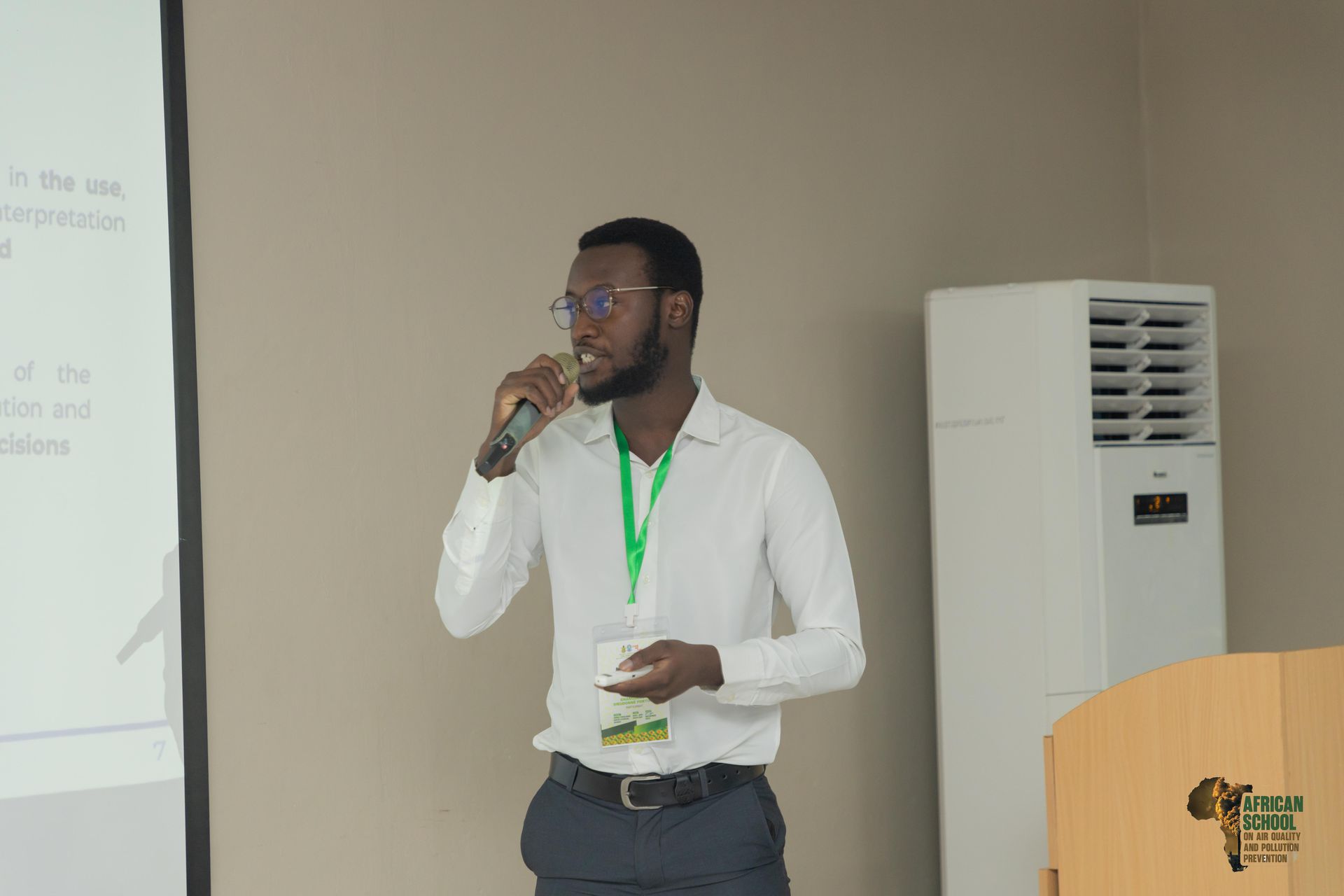
Throughout the ten days, the air quality data gap emerged as a recurring and critical issue. Dr. Pallavi Pant repeatedly emphasized that large parts of Africa lack sufficient reference-grade monitoring stations, limiting the ability of governments to quantify exposure, assess trends, and evaluate policy impact. While satellite data and global models provide valuable insights, they cannot fully replace ground-level measurements.
Sessions led by Dr. Ngongang Wandji Danube (SEI Africa) illustrated how low-cost sensors, satellite observations, and data fusion approaches can significantly improve spatial coverage when used appropriately and interpreted with caution. During community engagement activities, participants used mobile low-cost sensors to capture ambient air pollution in real-world settings such as markets, busy roads, schools, and waste sites. These measurements helped bridge the gap between community perceptions and actual exposure levels.
This strongly resonated with my own work. I participate in the School as Project Manager for Kaikai’s low-cost air quality monitoring initiative in Senegal, a project that aims to close local data gaps by deploying air quality sensors in schools and surrounding communities. Our approach focuses on schools as both sensitive environments for children’s health and strategic entry points for awareness, education, and community engagement. The ambition is to make local air quality data openly accessible across Senegal, while building capacity among students, teachers, and local stakeholders to interpret and use the data.
The School reinforced a key lesson for our project. Collecting data is not enough. Ensuring data quality, contextual interpretation, and meaningful use for decision-making and advocacy is equally important. As several lecturers noted, Africa already has sufficient evidence to justify action in many areas. The greater challenge often lies in implementation, enforcement, and long-term sustainability rather than in a lack of scientific knowledge.
From evidence to action: what is being done and what can be strengthened
The School highlighted a range of concrete actions already underway. These include strengthened air quality regulations in Ghana, expanded monitoring efforts, evaluation of low-cost sensors through initiatives such as AFRI-SET, clean cooking interventions, and waste recycling projects like the Kumasi Compost and Recycling Plant. Long-term health studies presented by researchers from institutions such as the Kintampo Health Research Centre demonstrated how exposure data can be directly linked to health outcomes among pregnant women and children.
Participants also explored actions that could significantly reduce pollution in the near and medium term. These include improving waste management to reduce open burning, enforcing vehicle emission standards, accelerating clean energy adoption, redesigning urban transport systems, integrating air quality into health services, and embedding pollution indicators into national development and budget planning. As emphasized by Dr. Sarath Guttikunda, consistent and incremental improvements, when sustained over time, can lead to substantial public health gains.
The role of media and political leadership
Another strong lesson from the School was that air quality action depends as much on communication and political will as on scientific evidence. The session led by Ato Kwamena demonstrated how media narratives shape public attention and influence policy priorities. As participants, we learned that data alone rarely drives change unless it is translated into stories that resonate with people’s daily experiences, including children’s health, productivity losses, and healthcare costs.
Speakers from the Clean Air Fund emphasized that political leaders are more likely to act when communities are informed, organized, and vocal. Journalists, researchers, and civil society actors therefore play a critical role in translating air quality data into accessible messages. Strong political leadership is then essential to move from awareness to enforcement, particularly in sectors such as transport regulation, waste management, and energy policy.
A rich learning experience and a growing African network
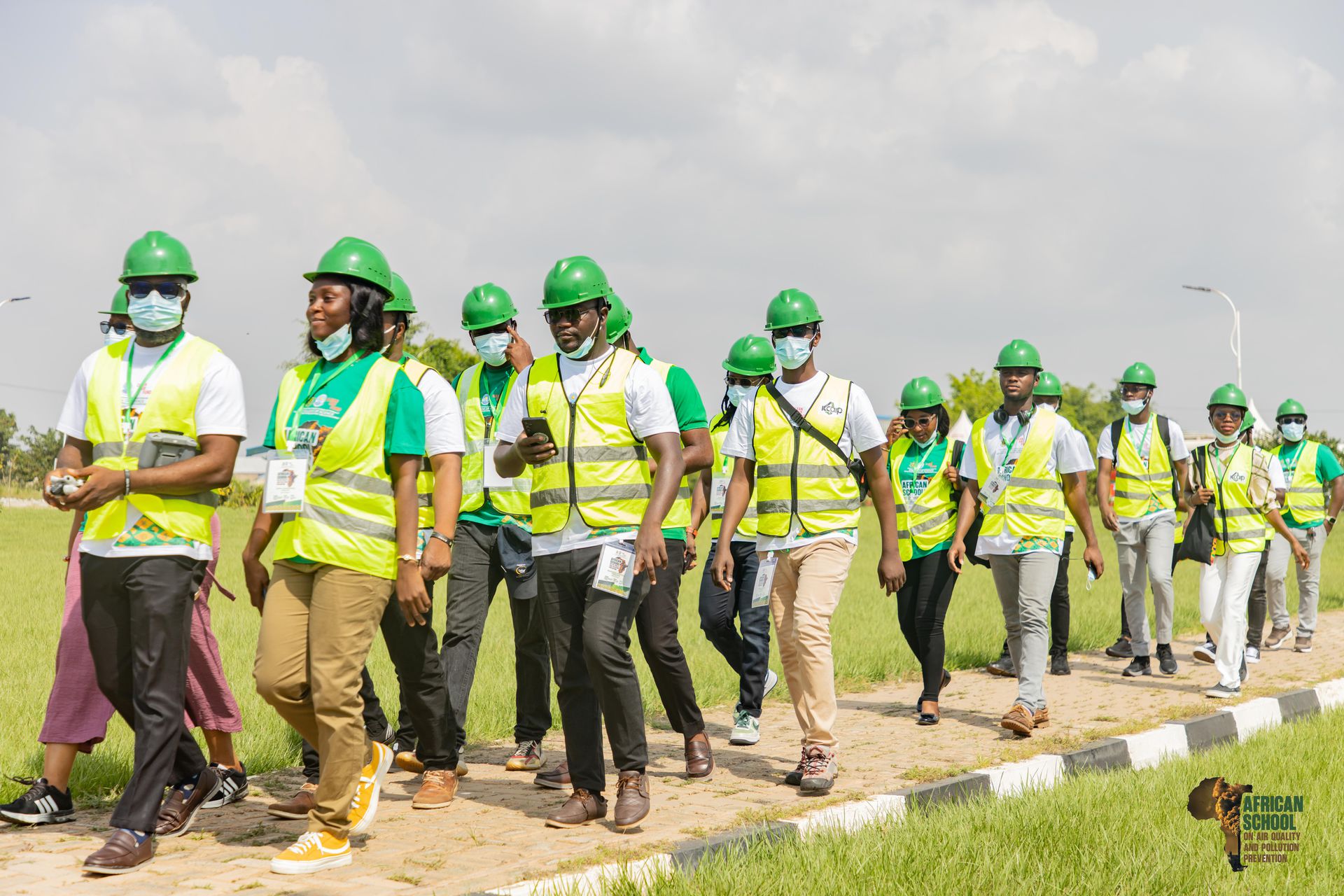
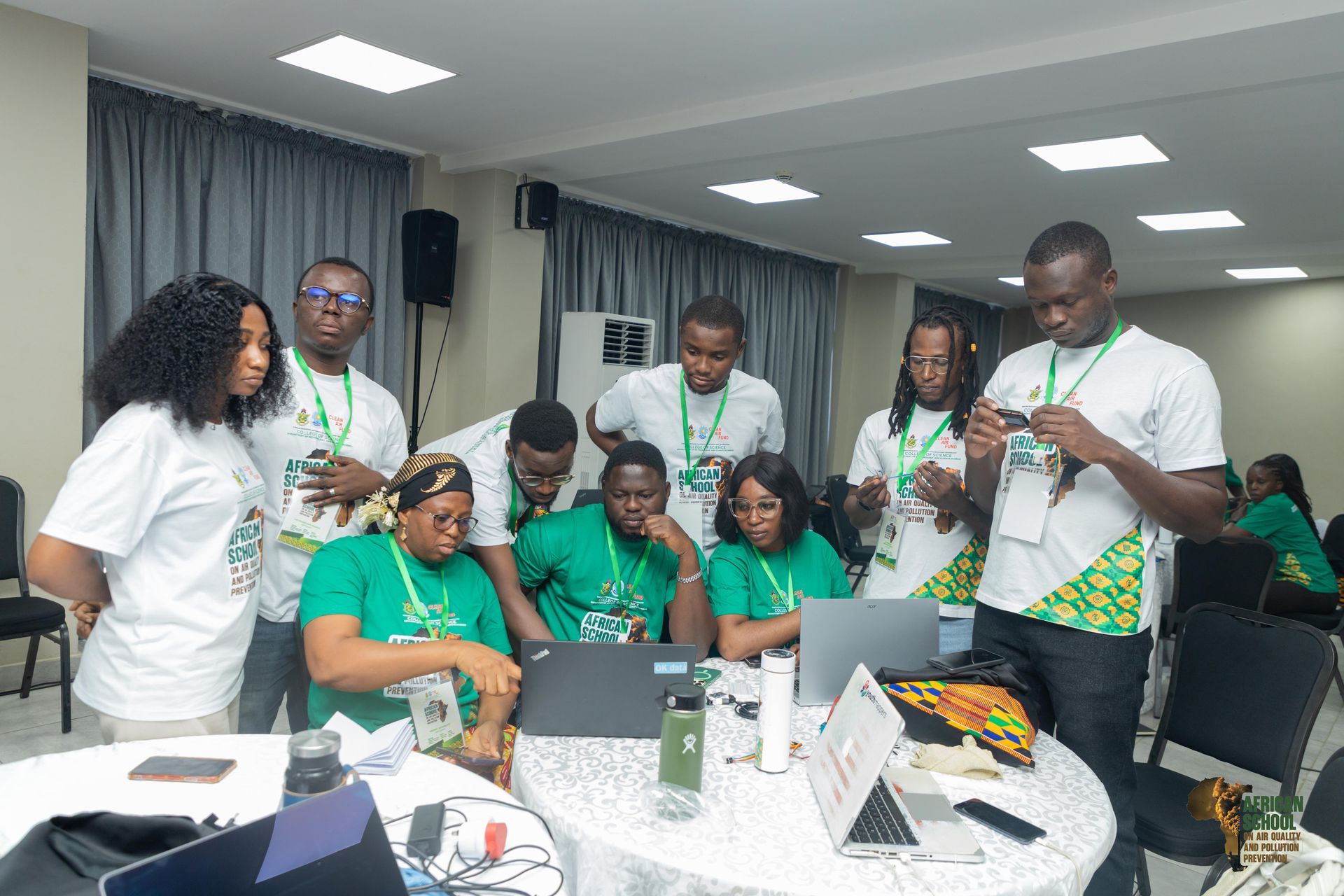
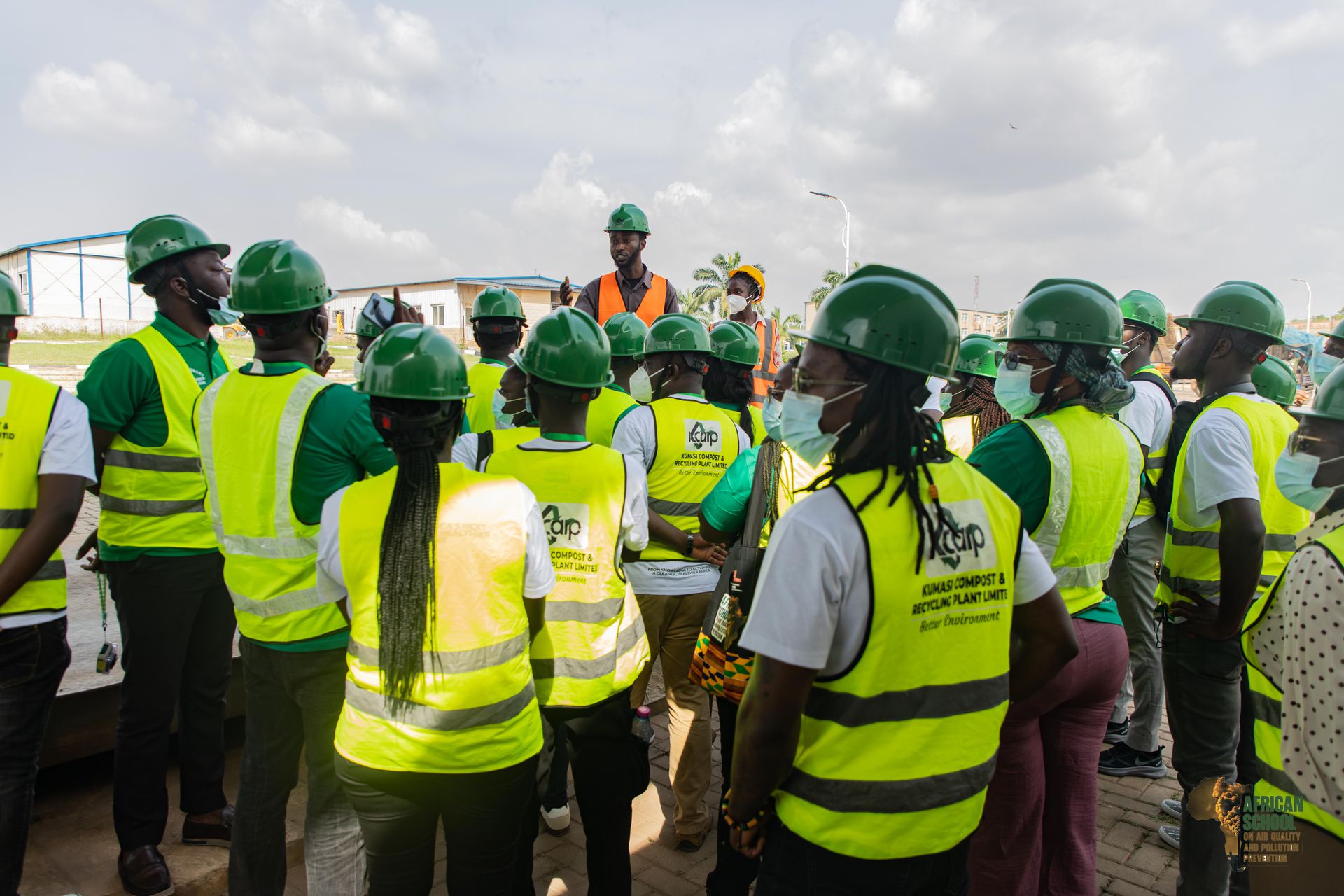
Beyond the lectures, what stood out most as a participant was the practical and participatory nature of the School. Sessions on data analysis, health impact assessment, policy simulation, community fieldwork, school outreach, and communication allowed participants to directly apply what they learned. These experiences reinforced my conviction that effective air quality work must be grounded in real communities and real data.
Equally valuable was the inter-African network built over the ten days. Participants from Anglophone and Francophone Africa shared similar challenges despite different national contexts. Many discussions highlighted the importance of expanding such initiatives, particularly in French-speaking Africa, where access to specialized training, monitoring infrastructure, and regional visibility remains more limited.
Looking ahead
Participating in the African School on Air Quality 2025 reaffirmed that Africa has the expertise, motivation, and collaborative spirit needed to address air pollution. What is now required is continuity through sustained training, stronger regional cooperation, and long-term investment in data systems, institutions, and people. Initiatives like this School, combined with concrete projects such as Kaikai’s school-based low-cost air quality monitoring in Senegal, offer a powerful pathway toward ensuring that clean air becomes not just an aspiration, but a lived reality for communities across the continent.